

In the frame of the Restart project (WP3), the NTUA-AMDC organized two training and capacity building events in order to enhance the development of the cultural tourism in the area of Lavreotiki.
The first training was addressed to the Tourist Guides Association. The scope was to introduce them Lavrion as an area of Industrial Heritage interest, from Antiquity to Modern Times. The activity’s planning aimed the guides’ training on the site, including major Industrial Heritage cultural assets of Lavreotiki.
The second training aimed to bring together both institutional and business stakeholders of Lavreotiki. The training purpose was the collaboration between them in order to improve the cultural tourism in the area. During the event, on the one side local institutional representatives presented their activities, and on the other side the tourism and business stakeholders expressed their concerns and needs. This collaboration could improve region’s cultural tourism development by focusing on common challenges and opportunities.
In both cases, the activities were evaluated through the completion of questionnaires, which provided an assessment of the training. The conclusions are an opportunity for further improvement of tourism planning strategies.
1st Training: On site “pilot” Guided tour
The LTCP has undertaken the initiative to bring together both institutional and entrepreneurial entities for the development of synergies in Lavreotiki area, aiming to new cultural tourism products, related to mining and metallurgy.
These actions were initiated with a briefing and guidance of the Association of Licensed Tourist Guides, organized by LTCP in cooperation with the Ephorate of Antiquities of East Attica, at the archaeological trails in the Souriza- Agrileza valley of Lavreotiki, the Archeological Museum and the Lavrion Technological Cultural Park (ex- French Mining Company of Lavrion).
The tour took place at the 23rd of February in the archaeological valley of Souriza-Agrileza with Mrs Dimitra Kahi, Archaeologist of the Ephorate of Antiquities of East Attica, who presented the ancient mining and metallurgical activity. Souriza-Agrileza valley excavation is an archaeological site of great interest, a dense concentration of findings of mining and metallurgical installations from the “Golden era” of Athens, where the silver of Athenian coin-minting was produced. Except of the economic and social importance of this production, it is also a monument of major technological advancements and innovation.
The tour has been continued at the Lavrion Archaeological Museum. “The Archaeological Museum of Lavrion houses findings from the area of Lavreotiki and its surroundings (Sounio, Thorikos). Exhibits collected from the mines and metal-processing workshops shed light upon various aspects of human life and activity in the area from 5000 BC until the 6th century AD. Among them, the frieze of the temple of Poseidon in Sounio, as well as the funerary and votive reliefs from the ancient municipalities (demes) of Lavreotiki, hold a prominent position.”
Finally, members of the Association visited the LTCP premises, where Mr A. Chadoumellis, Site Manager, presented the revitalization of mining and metallurgy during 19th and 20th centuries the French Mining Company’s history, and the site transformation into the Technological Cultural Park during the last four decades.
Finally, a digital questionnaire was sent to all participants for filling.
Total number of participants: 45 (Female: 37, Male:8)
Tour Agenda
09:00-11.00 Tour at the Archaeological Site of Silver Mines in the Souriza- Agrileza Valley, Mrs Dimitra Kahi, Archeologist of the Ephorate of Antiquities of East Attica
11:00 Coffee break
11:30- 12:30 Lavrion Archeological Museum, Mrs Dimitra Kahi, Archeologist of the Ephorate of Antiquities of East Attica
12.45-14.00 Tour in the Lavrion Technological Cultural Park Premises, Mr A. Chadoumellis, Site Manager LTCP


2nd Training: Seminar and Workshop
Invitation:
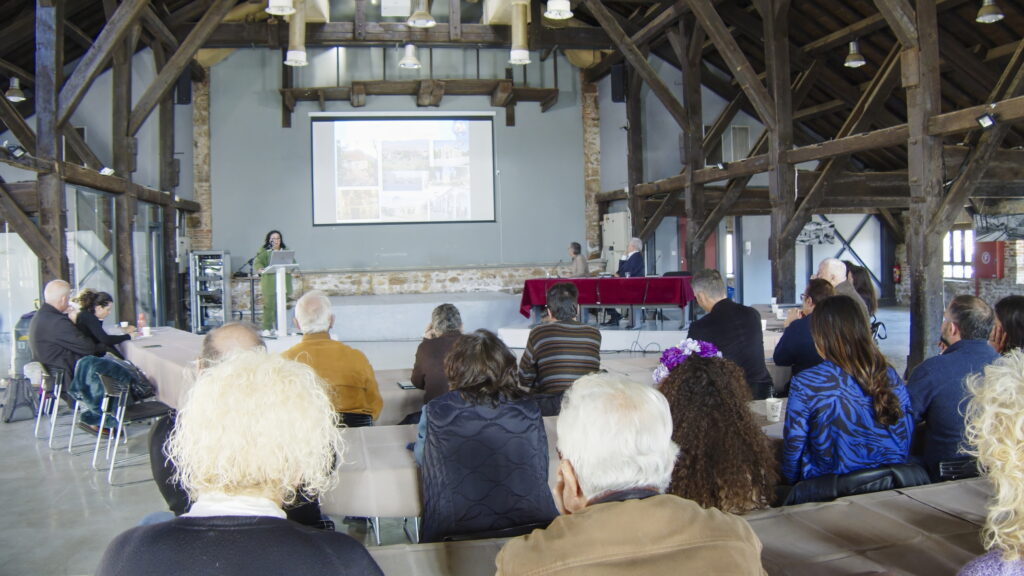
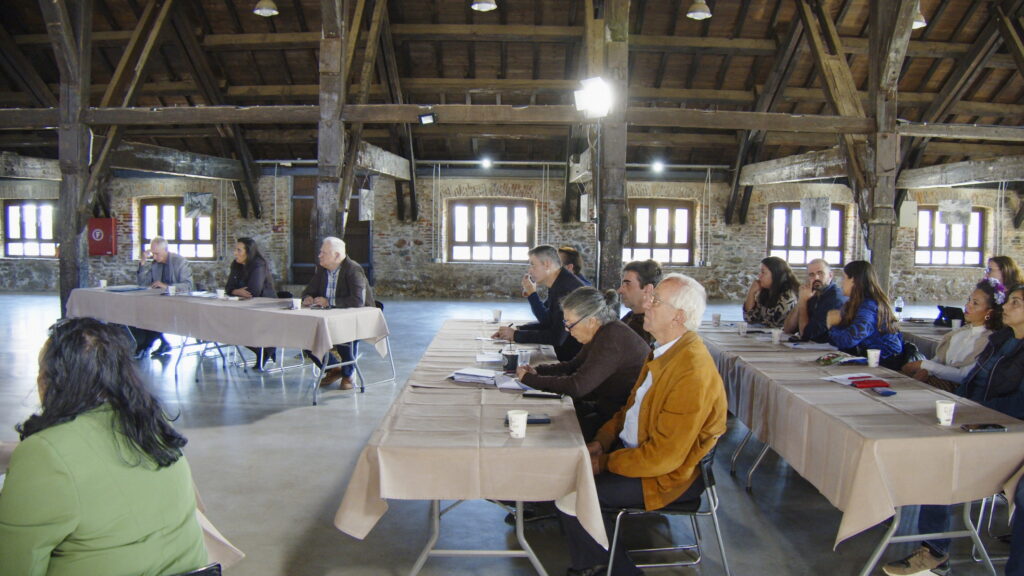
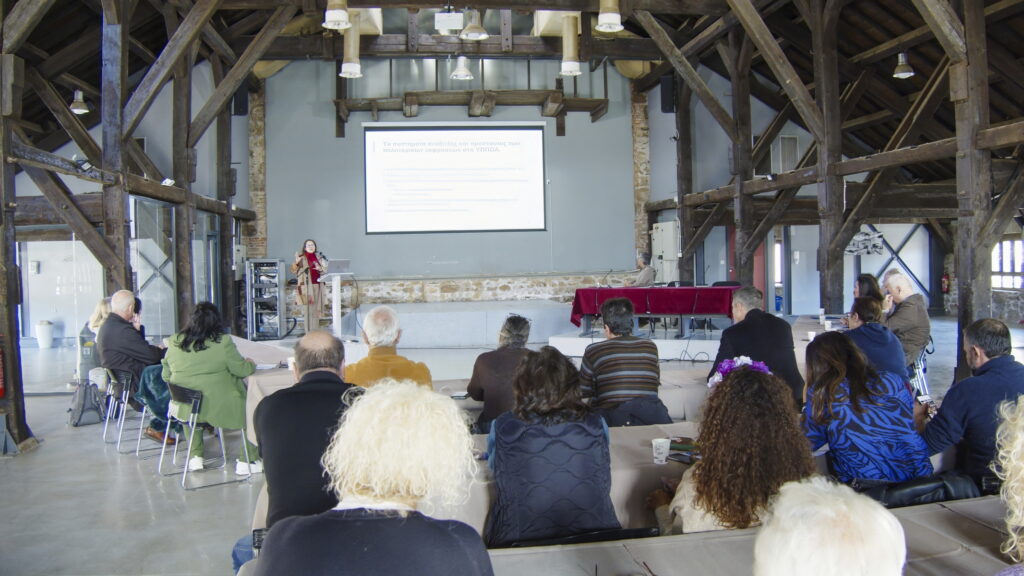
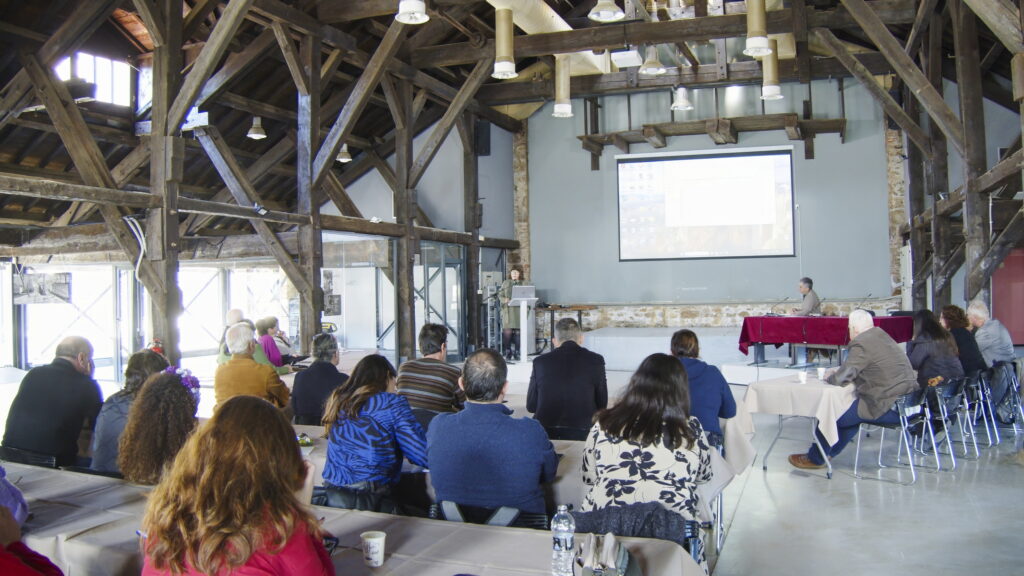
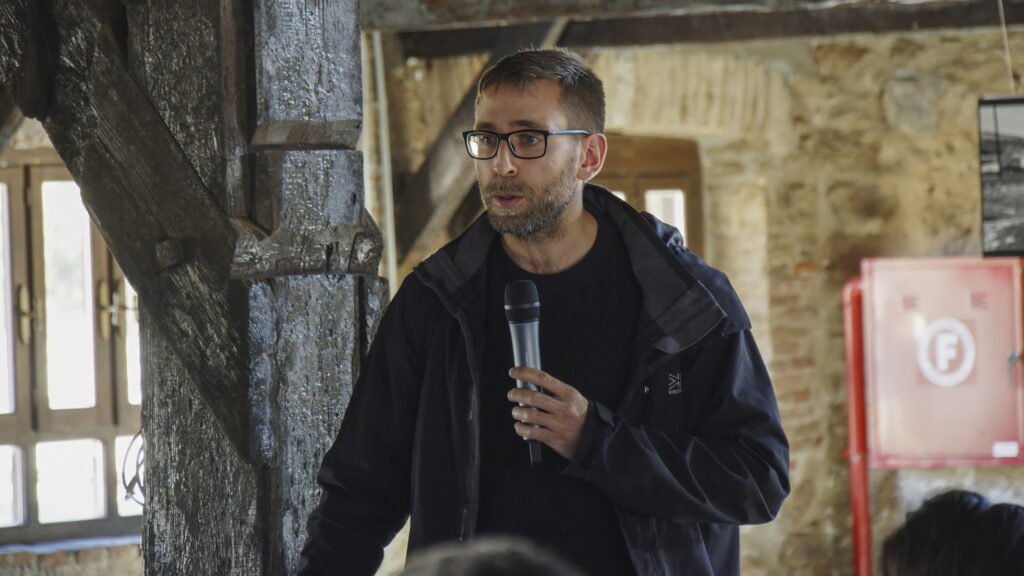
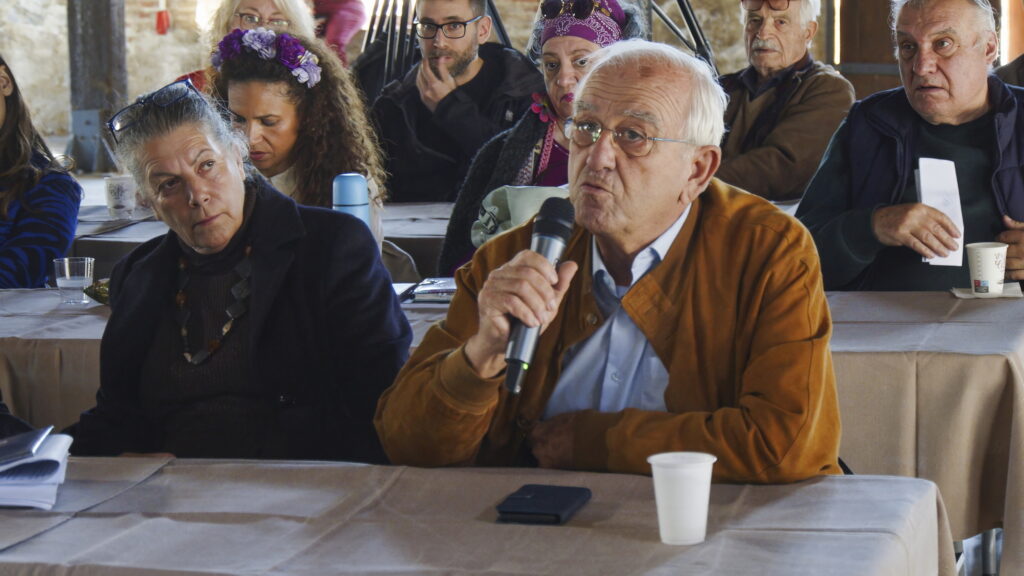
The Lavrion Technological Cultural Park, in collaboration with the Municipality of Lavreotiki, organized a workshop on December 11 at the LTCP Flotation Warehouse, titled “Sustainable Development and Cultural Tourism: Threats and Opportunities in Lavreotiki,” in the frame of the European project “Creative Europe - Restart.”
The purpose of the workshop was to bring together local cultural development and management stakeholders, such as the Municipality, the Geopark, LTCP, the Archaeological Ephorate the Lavrion Study Society, Cultural Local Organizations and tourism sector businesses from hospitality, dining, transportation, yachting etc. with the shared goal of creating new cultural products or enhancing and further developing existing ones. The focus is on optimally promoting the cultural heritage of Lavreotiki and strengthening cultural tourism in the region.
Total number of participants: 34 (Female: 17, Male: 17)
The agenda of the workshop included a numerus catalogue of themes from Municipal Strategy on Tourism to Geopark, Archaeological sites and Museums, Educational activities and sustainability: «Sustainable development and Cultural Tourism» Obstacles and opportunities in Lavreotiki




Concluding, both training and capacity building events were successfully organised, and positively evaluated by the participants. The total number of participants (78 ps, 54 females, 24 males) exceeded organisers’ expectations. Even known and acclaimed, the industrial heritage of the Lavrion area needs more communication. Training of all tourism business stakeholders in the area has to be institutionalised and further developed. The mining identity of Lavrion is in danger, because of the cease of mining operations for decades. It is a crucial element of areas’ cultural “capital” and needs to be further cultivated. Other forms of accessing the cultural assets are available (interpretive guiding, storytelling, interactive performance etc.) and needed to be further exploited in order to make these assets more accessible and attractive to a greater audience. Finally, the need of central coordination of the engaged stakeholders is a priority and the Municipality is ex officio the institutional organisation that has to play this role.